
Asphalt Repair vs. Asphalt Replacement: What Property Owners Should Know
Property owners seeking asphalt repair can rely on local contractors to assess damage and recommend whether repair or replacement best restores their pavement.
If property owners are exploring options for maintaining or improving their asphalt surfaces, understanding the differences between asphalt repair and asphalt replacement is essential. This topic is particularly relevant for those managing parking lots, driveways, or walkways in the area, where the condition of asphalt can impact safety, appearance, and overall property value. By learning about the practical aspects of each approach, property owners can make informed decisions that align with their needs and budgets. Local contractors specializing in asphalt services can provide valuable insights and solutions tailored to specific situations, helping property owners determine whether a simple repair or a full replacement is the most appropriate course of action.
Navigating the choice between asphalt repair and replacement can seem complex, but knowing what to consider makes the process more straightforward. Factors such as the extent of damage, age of the asphalt, and long-term goals all play a role in deciding the best approach. Property owners who understand these key points are better equipped to work with local service providers who offer expert asphalt repair solutions. Whether patching cracks or resurfacing an entire area, these professionals can help property owners maintain durable, safe, and visually appealing asphalt surfaces, ensuring the investment in their property continues to pay off.
- Cracks and minor surface damage - property owners noticing small cracks or surface issues can often benefit from asphalt repair services provided by local contractors who specialize in preserving existing pavement.
- Potholes or surface deterioration - when potholes or significant surface wear develop, local pros may recommend asphalt repair to restore the pavement without full replacement.
- Surface overlays or sealing - property owners seeking to extend the lifespan of their asphalt surface may choose repair options like sealing or patching handled by local service providers.
- Structural issues or deep damage - if underlying structural problems are detected, local contractors can assess whether asphalt repair suffices or if replacement is necessary.
- Preventive maintenance needs - property owners looking to prevent further damage can contact local pros for repair solutions that maintain the integrity of existing asphalt surfaces.
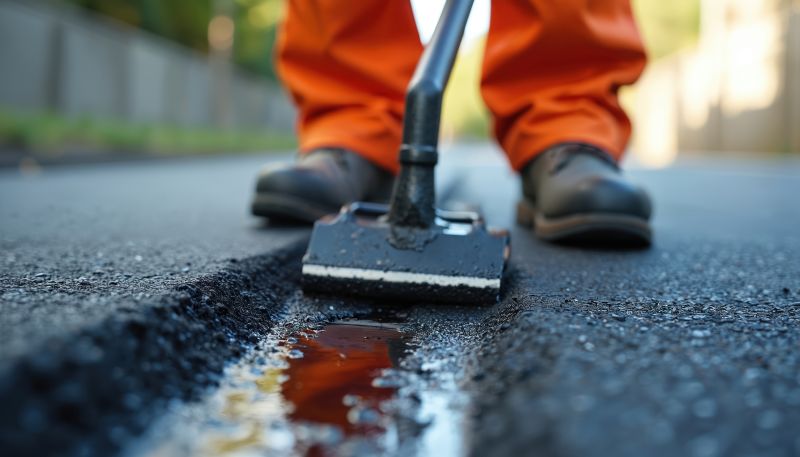
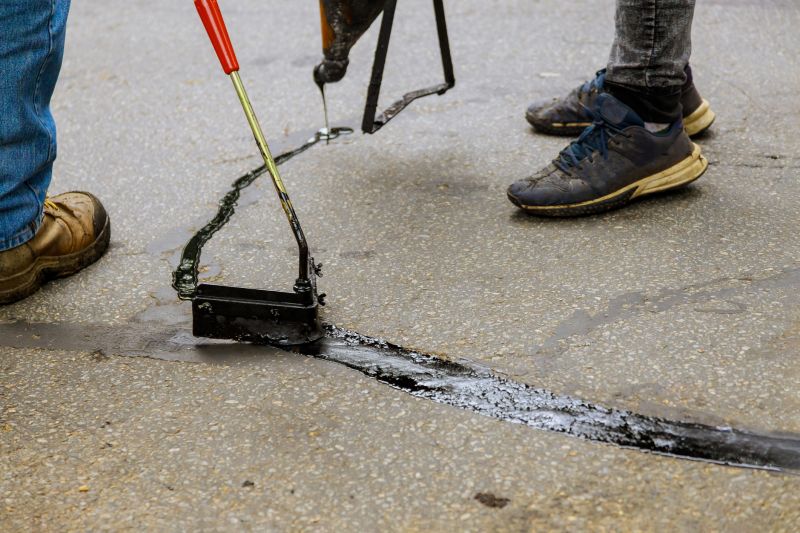
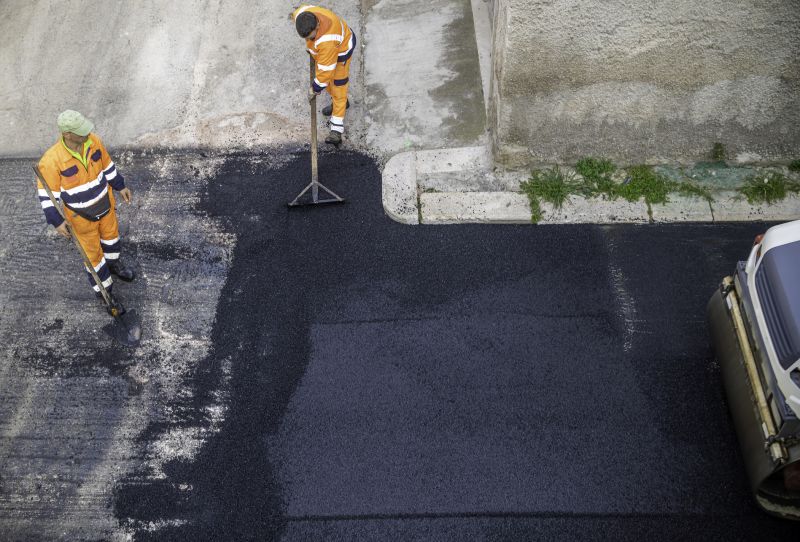
When property owners search for asphalt repair vs. asphalt replacement: what property owners should know, they are often trying to understand the best way to address issues with their existing pavement. This topic typically arises when there are visible signs of damage such as cracks, potholes, or surface deterioration. Property owners want to determine whether a simple repair will restore the asphalt’s integrity or if a full replacement is necessary to ensure long-term durability. Such questions are common for those managing driveways, parking lots, walkways, or other paved surfaces that experience frequent use or exposure to the elements. Understanding the difference helps property owners make informed decisions about maintaining or improving their property’s appearance and functionality.
The decision between asphalt repair and asphalt replacement is closely related to the types of problems present and the future plans for the property. For instance, minor surface cracks, small potholes, or localized deterioration are often suitable for repair methods like patching or crack sealing. These solutions can extend the life of the asphalt without the need for complete removal. Conversely, widespread cracking, extensive potholes, or significant structural failure usually indicate that replacement might be the more practical choice. Property owners with plans to upgrade or expand their paved areas, or those facing ongoing maintenance issues, need to evaluate whether repairs will hold or if a fresh surface is needed to meet long-term goals.
The kinds of properties that typically come up in discussions about asphalt repair vs. asphalt replacement include residential driveways, commercial parking lots, retail centers, industrial facilities, and community walkways. Residential properties often seek to maintain curb appeal and prevent further deterioration, making repairs a common first step. Commercial and industrial sites, which experience higher traffic volumes, might require more extensive assessments to decide if repairs will suffice or if replacement is necessary to support business operations. Community spaces, such as parks or school grounds, also frequently face these choices, especially when balancing budget constraints with the need for durable, safe surfaces. Local service providers can evaluate the specific conditions of these properties and recommend the most appropriate solution.
Ultimately, understanding asphalt repair vs. asphalt replacement: what property owners should know helps clarify the scope and purpose of each approach. Repair services generally focus on fixing localized issues to prolong the pavement’s lifespan, often at a lower cost and with less disruption. Replacement, on the other hand, involves removing the old asphalt and installing a new surface, which can be more suitable for severe damage or long-term planning. Property owners should consider the extent of damage, their future plans for the property, and the advice of experienced local contractors who can assess the condition of the pavement. Connecting with knowledgeable service providers ensures that decisions are based on the specific needs of each project, leading to more effective and lasting results.
Paving and Sealcoating Projects - these projects require planning and surface preparation skills similar to asphalt repair and replacement, ensuring durability and longevity of asphalt surfaces.
Driveway Resurfacing - involves surface leveling and crack filling techniques akin to asphalt repair, making it relevant for property owners considering repair options.
Pothole Repair - requires precise patching and material application skills that are also essential in asphalt repair services to restore pavement integrity.
Parking Lot Maintenance - includes crack sealing and surface sealing, which parallels the planning and execution needed for asphalt repair versus replacement decisions.
Concrete Repair and Replacement - shares planning and surface preparation skills, especially when transitioning from asphalt to concrete or vice versa on properties.
Surface Restoration Projects - involve surface cleaning, crack filling, and minor repairs similar to asphalt repair processes, helping maintain asphalt surfaces effectively.
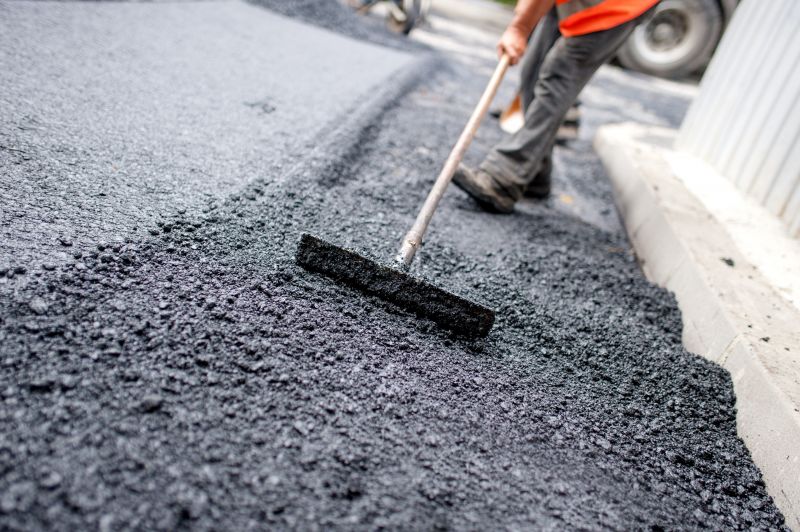
When evaluating asphalt repair services, property owners should prioritize contractors with extensive experience handling similar projects. An experienced service provider will have a clear understanding of the different types of damage common to asphalt surfaces and will be able to recommend the most appropriate repair method. It’s beneficial to seek out references or examples of past work that demonstrate the contractor’s ability to effectively address issues like cracks, potholes, or surface deterioration. Good communication is also essential; a reputable contractor will provide detailed explanations of the repair process, what to expect during and after the work, and will be transparent about potential limitations of repairs compared to full replacement.
Clear written expectations are a key factor when comparing local contractors for asphalt repair. Property owners should look for providers who offer detailed written estimates that outline the scope of work, materials to be used, and any guarantees or warranties offered. This documentation helps ensure there are no surprises and that both parties have a shared understanding of the project’s goals. Additionally, understanding the contractor’s approach to repair versus replacement can clarify whether a simple fix will suffice or if a more extensive solution might be necessary down the line, especially for larger or more damaged areas.
Reputable references and strong communication practices are indicators of reliable service providers. Property owners should inquire about references from previous clients or seek testimonials that highlight the contractor’s professionalism, quality of work, and adherence to timelines. Good communication involves responsiveness, clarity, and willingness to answer questions throughout the process. When comparing asphalt repair services, selecting a contractor with a history of positive customer interactions and transparent communication can contribute to a smoother experience and a more satisfying outcome, especially when deciding between repair and more extensive asphalt replacement.
Property owners often search for asphalt repair vs. asphalt replacement: what property owners should know when they are planning practical projects around their homes and businesses. Local pros provide Asphalt Repair services for everyday jobs and straightforward project options.
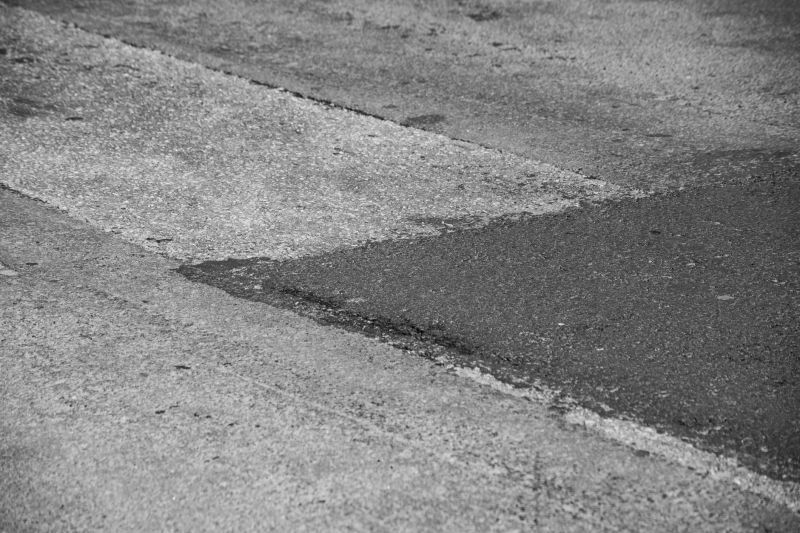
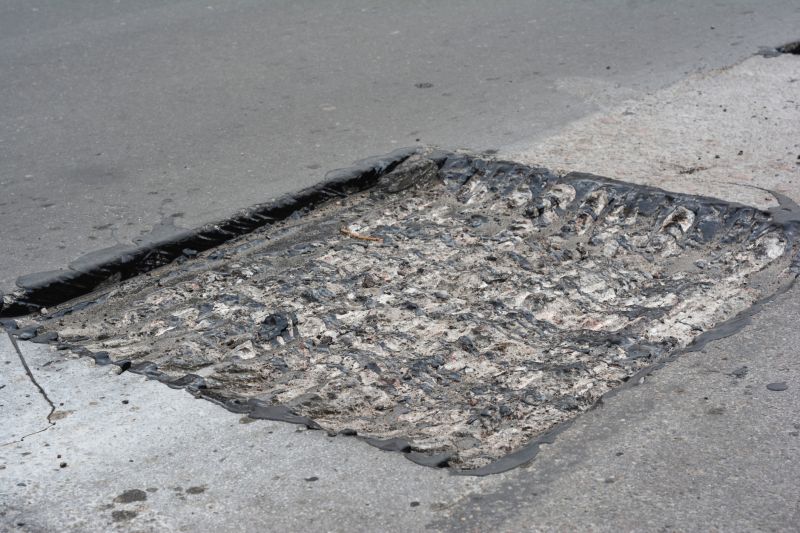
Property owners often turn to resources like online guides when trying to determine whether asphalt repair or asphalt replacement is the best option for their driveway or parking area. Common situations include small cracks, surface wear, or minor potholes that may seem manageable with simple repairs, while more extensive damage might seem to require complete replacement. Understanding the differences between these options helps property owners decide when a quick repair from local contractors will suffice and when more involved work might be necessary to restore the driveway’s integrity and appearance.
Many property owners seek out local pros to evaluate their asphalt surfaces and recommend the most appropriate solution based on the extent of damage. Asphalt repair services are typically suitable for addressing localized issues, such as cracks or surface deterioration, and can often be a cost-effective way to extend the lifespan of existing pavement. Conversely, asphalt replacement may be necessary if the damage is widespread, or the surface has experienced significant structural failure. Connecting with experienced local contractors can help property owners make informed decisions that balance durability, appearance, and long-term value.
What is the main difference between asphalt repair and asphalt replacement? Asphalt repair involves fixing specific areas of damage, such as cracks or potholes, while asphalt replacement replaces the entire surface when damage is extensive or structural integrity is compromised. Local contractors can assess which option best suits the condition of the pavement.
When should property owners consider asphalt repair instead of replacement? Asphalt repair is suitable for minor damages or early-stage issues that can be addressed quickly, preventing further deterioration. Service providers can evaluate the pavement to recommend appropriate repair solutions.
Can asphalt repair extend the lifespan of my existing pavement? Yes, timely asphalt repairs can help prolong the life of the existing surface by addressing damage early and preventing it from worsening. Local pros can perform repairs that maintain pavement stability and appearance.
Is asphalt replacement necessary if there are cracks or minor potholes? Not necessarily; many cracks and potholes can be effectively repaired without full replacement. A professional assessment from local contractors can determine if repair is sufficient or if replacement is needed.
What are the signs that indicate asphalt replacement might be the better option? Extensive cracking, widespread potholes, or structural failure are signs that repair may no longer be effective, and replacement could be the better solution. Service providers can advise on the best approach based on the pavement’s condition.
Assessing damage for repair or replacement - property owners can evaluate the extent of asphalt damage to determine if repairs are sufficient or if replacement is necessary, with guidance from local contractors.
Choosing the right repair method - understanding different asphalt repair options helps property owners decide when patching or crack sealing is appropriate versus more extensive work.
Planning for long-term asphalt maintenance - incorporating regular inspections and timely repairs can extend the lifespan of existing asphalt surfaces, reducing the need for full replacement.
Understanding project scope and costs - property owners can work with local service providers to develop realistic plans for repair or replacement based on the condition of their asphalt surfaces.
If you are thinking about asphalt repair vs. asphalt replacement: what property owners should know for a property, this guide is meant to help you understand this topic, the typical project types, and how different options might fit your plans.
When you are ready, you can use the quote form on this page to share a few details about your project. From there, local pros can review the basics and follow up with options that match what you have in mind.